How Much Does a Commercial Roof Replacement Cost? (2026 Guide)
August 30, 2026

A commercial roof replacement typically runs somewhere in the range of 4 to 15 dollars per square foot installed, which means a mid-sized building often lands in the tens of thousands of dollars. The membrane you choose, the size of the roof, and whether the old roof is torn off or recovered are the biggest factors. Because every building is different, treat any figure as a ballpark until a roofer assesses your specific roof.
At International Roofing LLC, commercial roofing is all we do. Based in Berlin, Connecticut, we help property owners, property managers, and facility managers across Connecticut and Hartford County plan and complete roof replacements on commercial and industrial buildings. This guide breaks down what actually drives the cost so you can budget with realistic numbers.
In This Guide
- What a Commercial Roof Replacement Costs: The overall range.
- Cost by Roofing System: Prices by membrane type.
- What Drives the Cost: The factors that move the number.
- Tear-Off vs. Recover: Two ways to reroof.
- Ways to Manage the Cost: Stretching your roofing budget.
- How Long a Replacement Takes: Timeline and disruption.
- Signs It's Time to Replace: Replace versus repair.
- Frequently Asked Questions: Quick answers for owners and managers.
What a Commercial Roof Replacement Costs
Commercial roofing is priced per square foot, and for a full replacement the installed cost generally falls somewhere between 4 and 15 dollars per square foot. On a 20,000 square foot building, that spread translates into a very wide range, which is exactly why a single quoted number is meaningless without knowing the specifics of your roof.
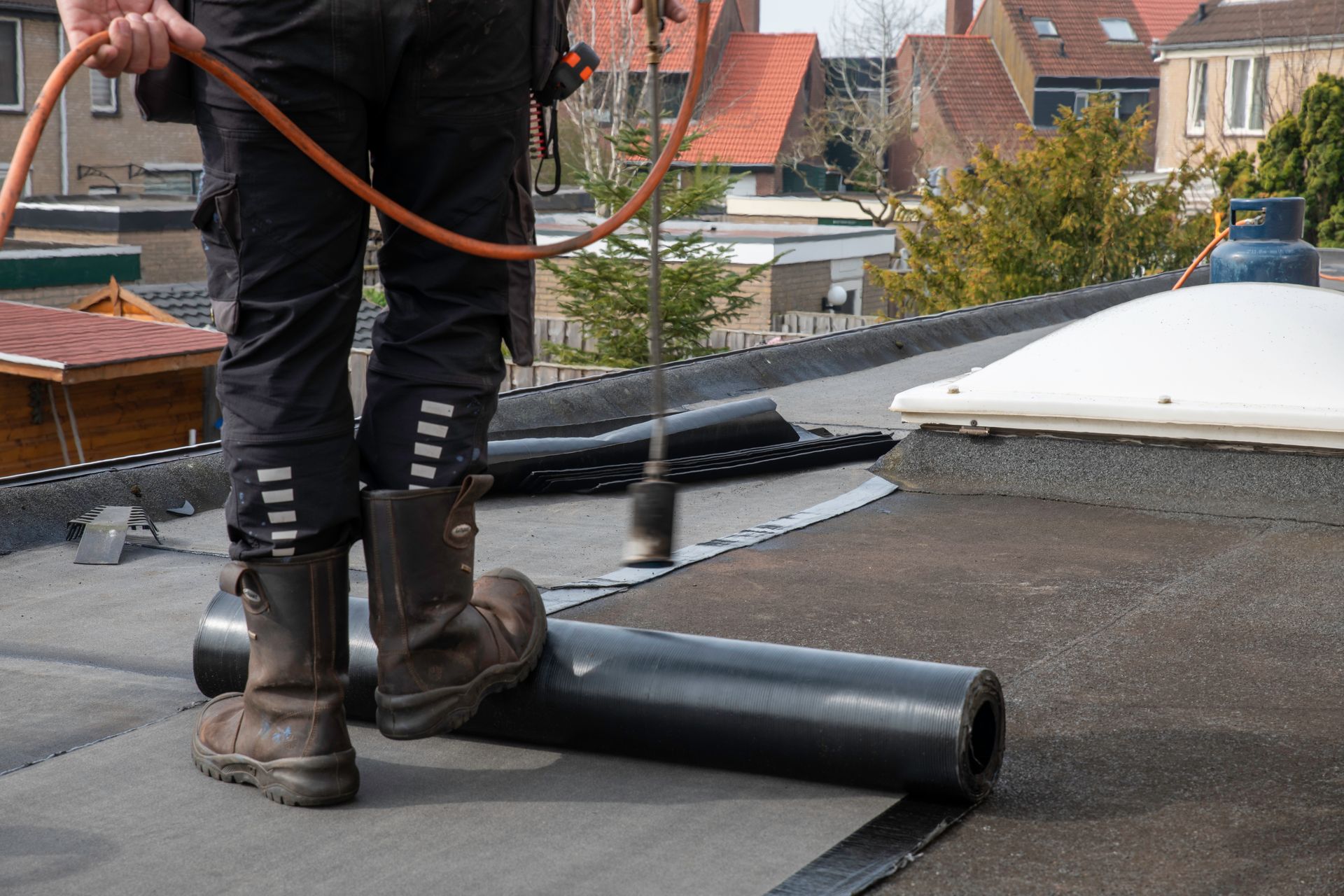
The reason for the range is that a commercial roof is a system, not just a membrane. The price reflects the material, the insulation beneath it, the labor to remove the old roof, any deck repairs, and the complexity of the building. A simple, wide-open warehouse roof costs far less per square foot than a smaller roof crowded with HVAC units, drains, and penetrations. The figures below give you a realistic starting point, but an on-site assessment is the only way to get an accurate number. It also helps to think in terms of cost per year of service rather than sticker price alone, since a more expensive membrane that lasts ten years longer can be the better value over the life of the building.
Cost by Roofing System
The membrane is the single biggest driver of material cost, and each system carries a different price and lifespan. The ranges below are typical installed ballparks for a straightforward commercial roof and will shift with your building's size and complexity.
| Roofing System | Typical Installed Cost per Sq Ft | Notes |
|---|---|---|
| EPDM rubber | Around 4 to 8 dollars | Economical, long track record on flat roofs |
| TPO membrane | Around 5 to 9 dollars | Popular, energy-efficient reflective option |
| Modified bitumen or BUR | Around 5 to 10 dollars | Multi-ply, durable, common on older buildings |
| PVC membrane | Around 7 to 12 dollars | Premium, strong chemical and weather resistance |
Metal roofing systems sit higher still, often in the range of 10 to 20 dollars or more per square foot installed, but they last much longer, so the cost per year of service can be competitive. The right system depends on your building, budget, and how long you plan to own it, which is a conversation worth having before you price anything.
What Drives the Cost
Beyond the membrane, several factors push a replacement toward the low or high end of the range. Understanding them helps you read an estimate and see where the money goes.
Roof Size and Complexity
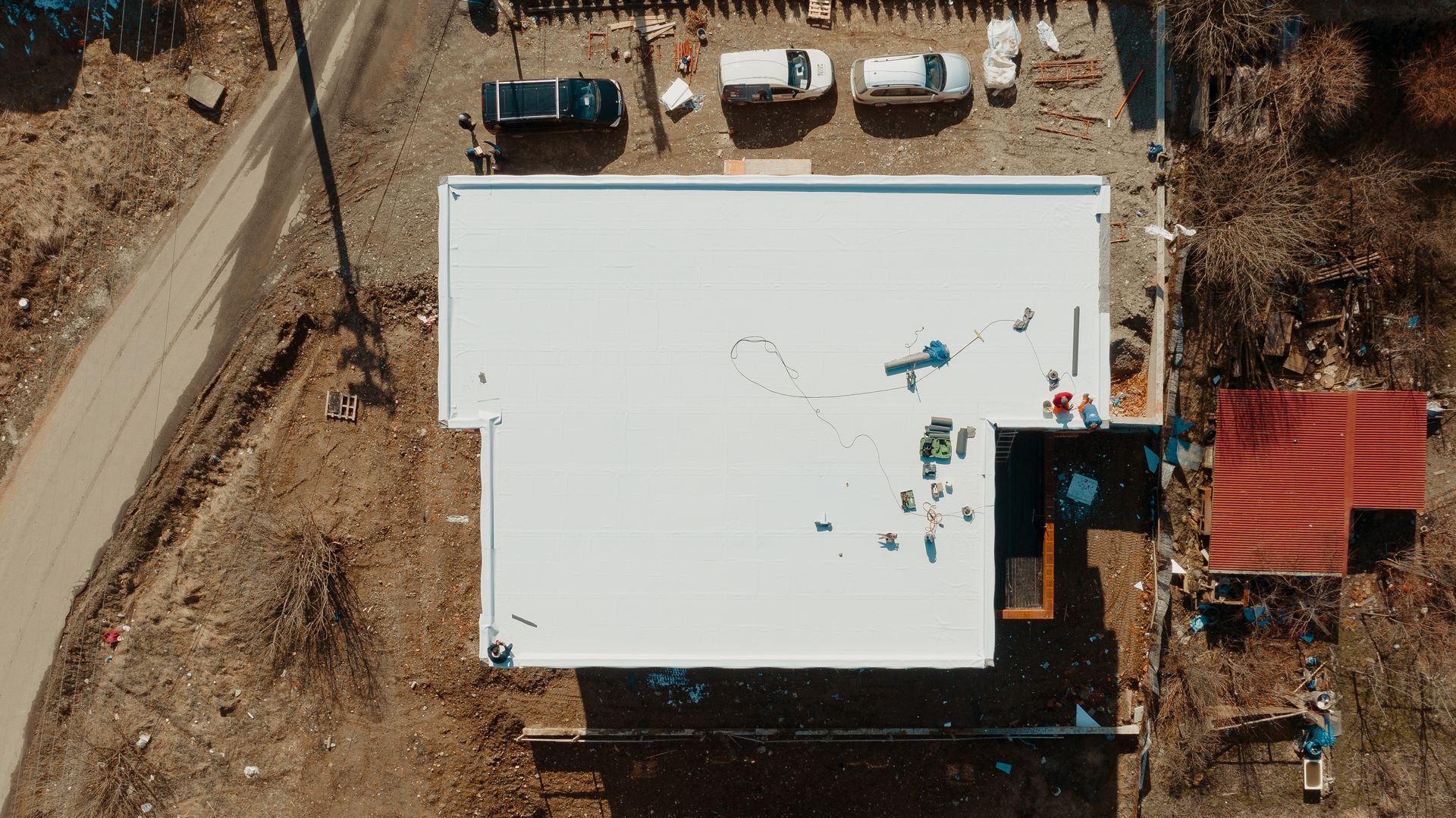
Larger roofs cost more in total but often less per square foot, since crews work more efficiently over open area. Complexity works the other way: a roof packed with HVAC units, skylights, drains, and penetrations takes more labor and detail work, raising the per-foot price.
Tear-Off and Deck Repair
Removing the old roof adds labor and disposal cost, and once it is off, any damaged decking or wet insulation discovered underneath has to be replaced before the new system goes on. Hidden deck damage is one of the most common reasons a final cost lands above the initial estimate. A careful contractor accounts for this possibility upfront and, where the roof allows, may take core samples or use moisture scanning before the project so there are fewer surprises once the tear-off begins.
Insulation and Tapered Systems
Commercial roofs usually include insulation, and its type and thickness affect both cost and energy performance. Tapered insulation, used to build slope for drainage on a flat roof, adds cost but solves ponding problems that would otherwise shorten the roof's life.
Warranty and Code Upgrades
Longer manufacturer warranties often require specific materials and certified installation, which can raise the price but protect the investment. Bringing an older roof up to current building code, including added insulation or drainage requirements, can also add to the total.
Tear-Off vs. Recover
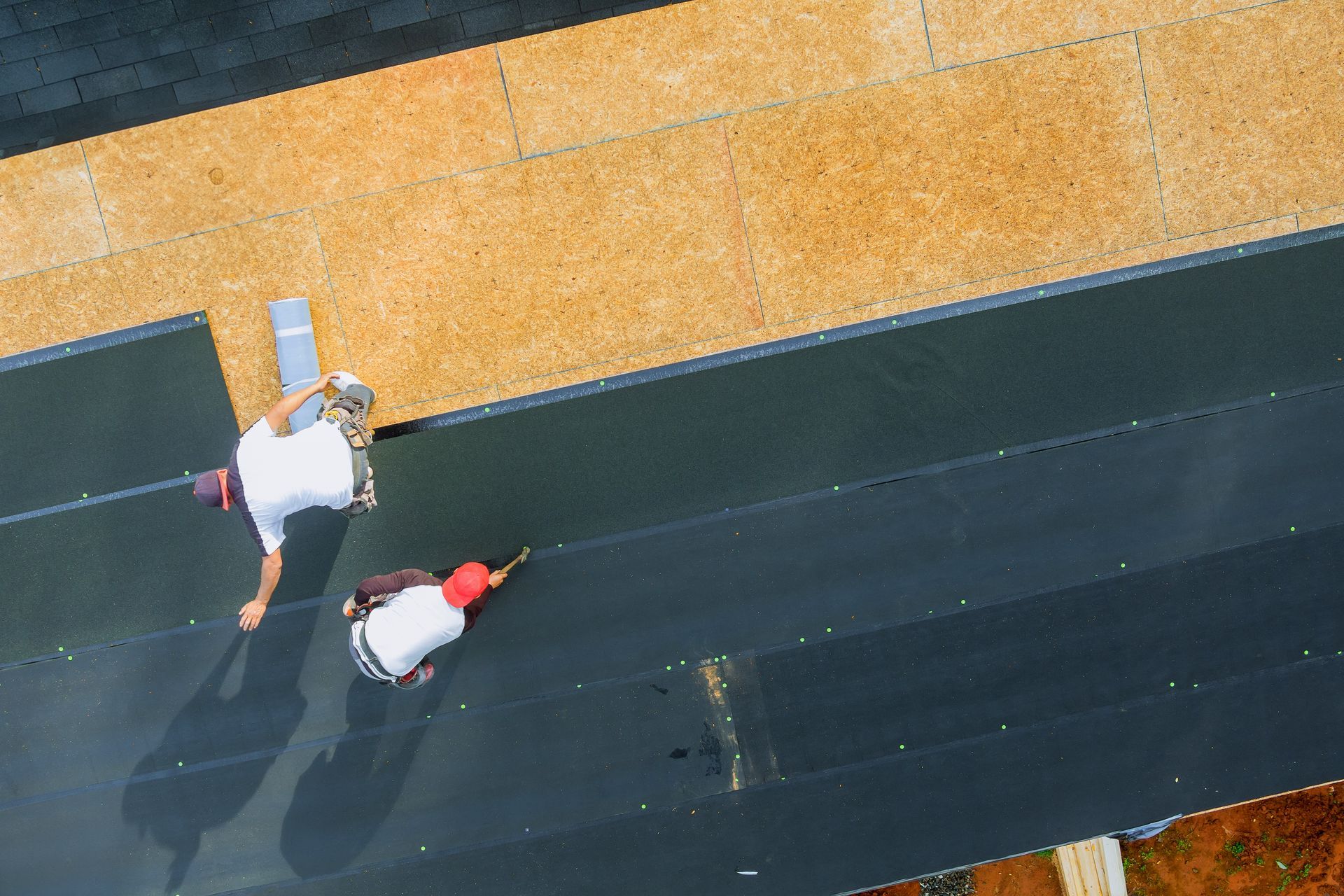
One of the biggest cost decisions is whether to tear off the old roof completely or install a new membrane over the existing one, known as a recover or overlay. A recover skips the tear-off labor and disposal, so it costs less and is faster, and it is often allowed when the building has only one existing roof layer and the substrate is dry and sound.
A tear-off costs more but is the right call when the existing roof has wet insulation, multiple layers already, or structural concerns, because covering those problems only traps them. Most building codes also limit how many roof layers a building can have, which can force a tear-off regardless of preference. For a roof that is aging but still fundamentally sound, a coating can be an even lower-cost way to extend its life, which we cover in our guide on
whether a silicone roof coating is worth it. The best choice depends on the condition of what you already have, which an inspection determines.
Ways to Manage the Cost
A replacement is a major capital expense, but there are legitimate ways to control it and get the most from your budget. None of them involve cutting corners on the installation itself.
- Act before the roof fails, since planning a replacement on your timeline is far cheaper than an emergency after leaks damage the interior.
- Consider a coating for a sound aging roof, which can add years of life for a fraction of replacement cost and defer the larger spend.
- Keep up with maintenance and inspections, because catching small issues early prevents the deck and insulation damage that inflates a replacement.
- Match the system to your ownership horizon, choosing a longer-lasting membrane if you plan to hold the building for decades.
- Get a thorough assessment, so the estimate reflects the real scope and you avoid surprises mid-project.
Regular attention to the roof is the throughline here. Our overview of
commercial roof inspection costs explains how a modest inspection spend protects a far larger one. A documented maintenance history also strengthens any warranty claim and helps at resale, since a buyer or lender views a well-maintained roof as far less of a liability than an unknown one.
How Long Does a Commercial Roof Replacement Take?
For a facility manager, downtime and disruption matter as much as the price, so timeline is a fair part of the cost conversation. Most commercial roof replacements take anywhere from a few days to a few weeks, driven by the same factors that drive cost: the size of the roof, the system being installed, the weather, and the complexity of the building.
A modest single-membrane roof on a straightforward building can be completed in several days, while a large facility, a tear-off with significant deck repair, or a complex roof with many penetrations can stretch to two or three weeks. Weather is the biggest variable, since a safe, watertight installation cannot happen in rain or high wind, so a Connecticut project may pause and resume. A good contractor schedules the work to keep your operations running, staging the job so the building stays weather-tight and usable throughout, and builds a realistic timeline into the estimate.
Signs It's Time to Replace Rather Than Repair
Replacement is a major spend, so it is worth knowing when it is genuinely the right call versus continuing to repair. A few clear signals point toward replacement.
- Widespread or recurring leaks, especially in multiple areas, which suggest the membrane has reached the end of its service life.
- Wet or saturated insulation found during an inspection, which repairs and coatings cannot fix.
- Age at or beyond the system's expected lifespan, where continued repairs become throwing money at a failing roof.
- Extensive membrane deterioration, such as widespread cracking, blistering, or seam failure across the roof.
- Rising repair frequency and cost, where the running total starts to approach the price of a new roof.
If your roof shows storm-related damage rather than age, the picture can be different, and our guide on
commercial roof storm damage covers what to check. When the issue is age and wear, though, an assessment helps you weigh a replacement against another round of repairs.
Plan Your Commercial Roof Replacement With International Roofing
A commercial roof is one of your building's largest assets, and replacing it well protects everything underneath. As Connecticut's commercial roofing specialists, we assess your roof, walk you through the system options, and give you a clear, itemized estimate with no pressure.
Call International Roofing LLC at (860) 505-8506 or
contact us for an assessment. Learn more about our
commercial roof replacement services across Connecticut and Hartford County.
Frequently Asked Questions
How much does it cost to replace a commercial roof?
Most commercial roof replacements fall between roughly 4 and 15 dollars per square foot installed, so total cost depends heavily on the size of the roof. The membrane type, tear-off versus recover, insulation, and building complexity all move the number. The only way to get an accurate figure is an on-site assessment of your specific roof.
Which commercial roofing system is the most affordable?
EPDM rubber is typically the most economical membrane on a cost-per-square-foot basis, followed by TPO and modified bitumen. PVC and metal cost more up front but offer strong performance and longer life. The most affordable choice for your building depends not just on the material price but on the roof's size, condition, and how long you intend to own it.
Is it cheaper to recover a roof than replace it?
Yes, a recover or overlay is generally cheaper than a full tear-off because it skips the labor and disposal of removing the old roof. However, it is only appropriate when the building has a single existing layer and the substrate is dry and sound. Recovering over wet insulation or hidden damage traps the problem and costs more in the long run.
Why did my roof replacement estimate go up during the project?
The most common reason is hidden damage found after tear-off, such as rotted decking or wet insulation that has to be replaced before the new roof goes on. A thorough upfront assessment reduces these surprises, which is why a careful inspection and a detailed, itemized estimate are worth insisting on before work begins.
How long does a commercial roof last?
It depends on the system and maintenance, but most commercial membranes last in the range of 20 to 30 years when properly installed and maintained, and metal can last longer. Regular inspections and prompt repairs are what allow a roof to reach the high end of its expected life, which protects the large investment a replacement represents.
Recent Posts