What Is a Commercial Roof Overlay, and When Does It Make Sense?
September 28, 2026

Quick answer: A roof overlay, called a recover in the building code, means installing a new roof system directly over the existing one instead of removing it down to the deck. It typically costs meaningfully less than a full tear-off, skips the disposal and the demolition, and keeps your building operating with far less disruption. It makes sense on exactly one kind of roof: a structurally sound deck with dry insulation, no more than one existing roof covering, adequate drainage, and a structure that can carry the added weight. If any one of those is false, an overlay buys you a few cheap years and then costs you the tear-off anyway, plus the new roof you just paid for.
International Roofing LLC is a commercial-only roofing contractor in Berlin, Connecticut, serving property owners and facility managers across Hartford County and Central CT. We quote both recovers and tear-offs, and the reason we are specific about the disqualifying conditions below is that we have torn off plenty of failed overlays that never should have been installed.
In This Guide
- What an overlay is, and what it is not
- When code allows a recover
- The conditions that disqualify a building
- Why the moisture survey comes first
- Added weight and Connecticut snow load
- The energy code trigger nobody budgets for
- Compatibility and separator layers
- Cost and service life compared
- Overlay, coating, or tear-off
- Find out which one your roof qualifies for
- Roof overlay FAQs
What an overlay is, and what it is not
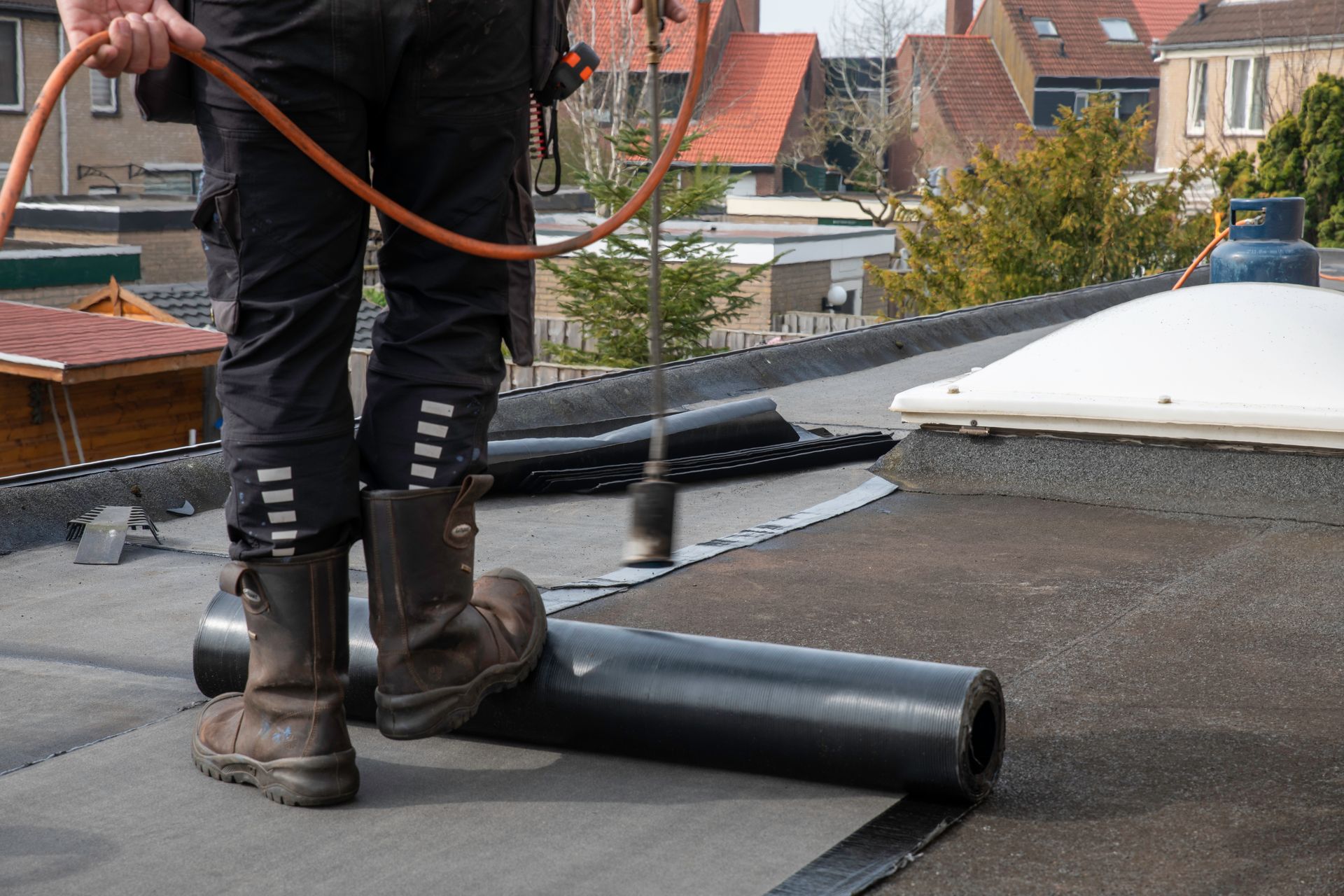
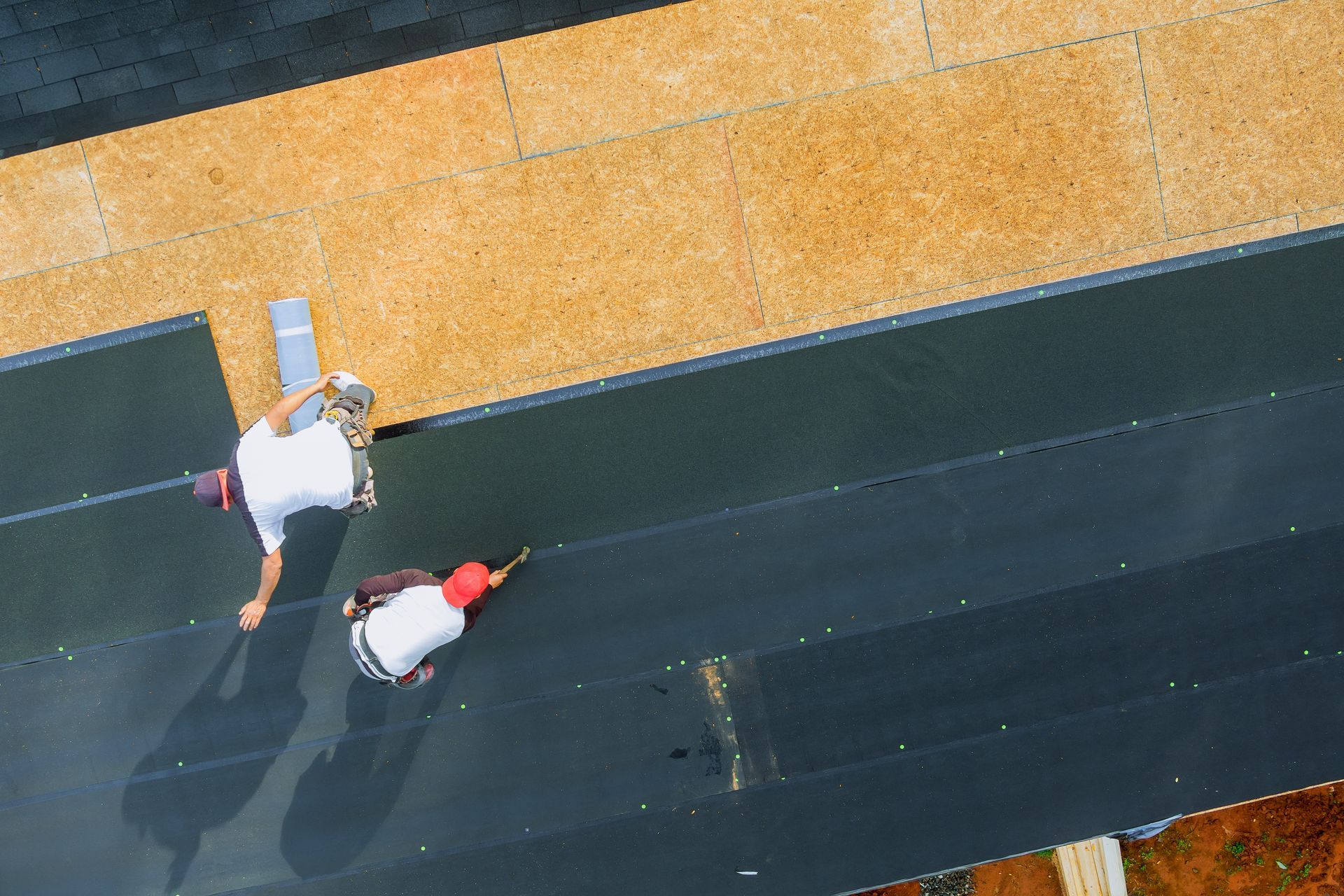
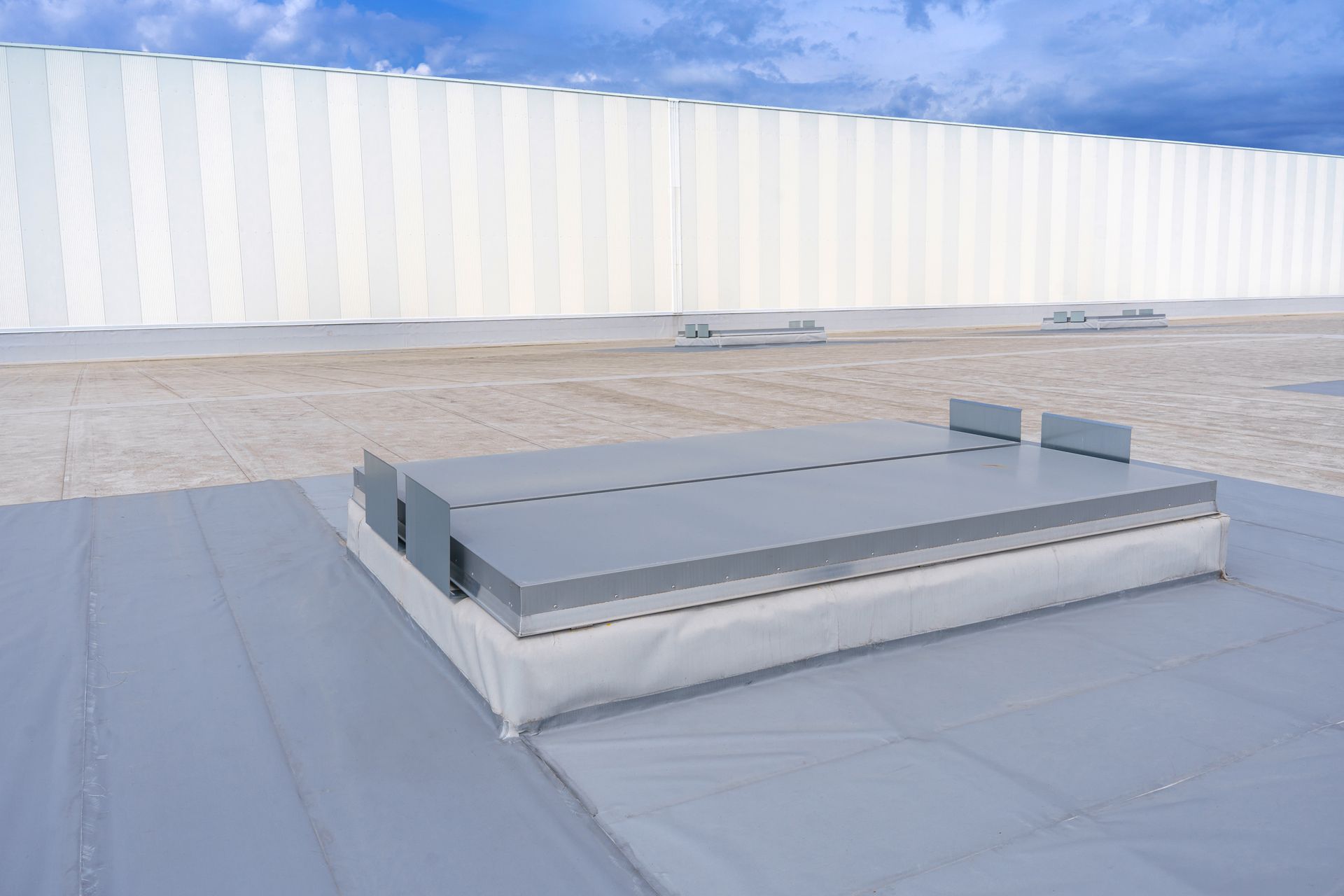
In a recover, the existing membrane stays in place. We install a new layer over it, usually with a cover board or separator and often with additional insulation, then rebuild the flashings, terminations, and drain details. You end up with a new roof system whose foundation is the old one.
Terminology causes real confusion in bid comparisons, so pin it down with every contractor:
- Overlay or recover means a new system installed over the existing roof.
- Tear-off or replacement means removing everything to the deck, repairing the deck, and building back up.
- Reroofing is used by different companies to mean either of those, so it is a word to distrust in a proposal. Ask which one they mean.
- Roof restoration or coating is neither. It is a fluid-applied membrane over a cleaned and prepped existing roof, which we cover in is silicone roof coating worth it.
The most important thing an overlay is not: it is not an inspection. Every problem under that old membrane stays under it, which is the entire reason for the conditions below.
When code allows a recover
Connecticut's State Building Code follows the International Building Code, which permits recovering but fences it with conditions rather than leaving it to preference. The general shape of the rules:
A recover is not permitted where the existing roof or the insulation beneath it is water-soaked or deteriorated, where the deck cannot support the new assembly, or where the building already carries two or more applications of roof covering. Certain existing coverings, including slate and clay or cement tile, are excluded from recovering entirely. The new system also has to be installed to the manufacturer's approved instructions, which effectively makes the membrane manufacturer's own requirements enforceable.
Two practical notes. First, the final word belongs to your local building official, and towns across Hartford County apply this with varying degrees of scrutiny, so the permit conversation should happen before you commit to a scope. Second, if a contractor proposes an overlay without asking how many layers are already up there, that is a question you should ask them.
The conditions that disqualify a building
Here is what we are actually checking when we assess a roof for recover eligibility:
- More than one existing covering. Two layers already in place means tear-off, no discussion.
- Wet insulation anywhere meaningful. Trapped moisture does not dry out. It corrodes steel deck, rots wood, destroys insulation R-value, and eventually finds its way into the new assembly.
- A deteriorated deck. Rusted steel deck, spalling concrete, delaminated gypsum, or rotted wood needs to be seen and repaired, and you cannot see it through an overlay.
- Inadequate structural capacity. If the framing has no margin for additional dead load, adding an assembly is not an option without engineering review.
- Ponding water. An overlay follows the existing contours, so a roof that holds water today will hold water tomorrow at a slightly higher elevation.
- Failed or undersized drainage. Drains, scuppers, and overflow provisions have to be reworked into the new assembly, and if the existing drainage was never adequate, a recover is the wrong time to leave it alone.
- Extensive existing damage. Widespread blistering, splitting, or open seams mean the substrate you are building on is not stable.
One nuance worth knowing: partial removal is a legitimate middle path. When a moisture survey shows the wet areas are confined to, say, a quarter of the roof, we remove and rebuild those sections and recover the rest. That is often the best value on the table, and it almost never appears in a bid unless someone ran a survey first.
Why the moisture survey comes first
You cannot evaluate an overlay without knowing whether the insulation is dry, and you cannot know that by looking at the membrane. Wet insulation is usually invisible from the surface until the day it shows up on a ceiling tile.
There are three common ways to find it: infrared thermography, which reads the heat signature of wet areas after sunset, capacitance meters, and nuclear moisture gauges. Core cuts then verify the readings at specific spots and confirm exactly what layers are up there, which also answers the layer-count question for code purposes.
The survey costs a fraction of the roof, and it changes the decision more often than any other single input. We fold this into the assessment when an overlay is on the table, and our
commercial roof inspection cost guide explains what a proper condition assessment includes.
Added weight and Connecticut snow load
This is where recovering a commercial roof differs fundamentally from shingling over a house, and where most of the online overlay advice does not apply.
A recover assembly adds dead load. Depending on what goes on, a new membrane with a cover board and additional insulation typically adds a few pounds per square foot. That sounds trivial until you put it on a mid-century industrial building framed with open-web steel bar joists designed to the standards of its era, then add Connecticut's ground snow load and the drifting that happens around parapets, mechanical screens, and roof-level additions.
The buildings where we look hardest at this are the ones with long joist spans, lightweight insulating concrete or gypsum decks, and prior roof work of unknown weight. When the margin looks thin, a structural engineer's review is the right call, and it is a far cheaper conversation than the alternative. The same load thinking applies during winter, which is why we treat
roof snow removal as a structural service rather than a housekeeping one.
The energy code trigger nobody budgets for
Owners are routinely surprised by this one. Current energy code requires roof insulation to meet present-day minimum R-values when insulation above the deck is replaced, and the applicable threshold for our climate zone is considerably higher than what was installed on a building from the 1970s or 1980s.
What that means in practice is that the cheap version of an overlay, meaning a membrane laid over the old roof with nothing added, may not be the compliant version. Once insulation has to be brought up to current levels, you are adding board thickness, which raises material cost, raises the dead load discussed above, and raises every edge, curb, and drain on the roof, since flashing heights and drain assemblies all have to be extended.
None of that makes an overlay a bad idea. It does mean an overlay bid that is dramatically cheaper than the others may be quietly skipping insulation, and it is worth asking each bidder in writing what R-value they are delivering and how they are handling flashing heights.
Compatibility and separator layers
You cannot simply put any membrane on any existing roof. The most common Connecticut situation is a new single-ply going over an aged asphalt-based system, meaning built-up roofing or modified bitumen. Plasticizers and asphalt do not coexist well, so that assembly requires a separator sheet or cover board between the old and the new.
The same logic applies membrane to membrane. Recovering an EPDM roof with TPO, or the reverse, has specific manufacturer requirements, and skipping them is one of the fastest ways to void the warranty you are paying for. If you are weighing which membrane to put on top, our comparison of TPO and EPDM for commercial buildings covers how each performs in our climate.
Existing metal roofs are their own category and often good recover candidates, since a new system can be installed over the panels with the right sub-purlin or insulation approach. See our
commercial metal roofing page for how we handle those.
Cost and service life compared
Roughly where the three paths land on a straightforward commercial building. Treat these as planning figures, not quotes.
| Approach | Typical installed cost | Expected service life |
|---|---|---|
| Coating or restoration | Lowest of the three, a fraction of replacement | 10 to 20 years with recoats, on a sound roof |
| Overlay or recover | Roughly 25 to 40 percent less than tear-off | Close to a new roof when the substrate qualifies |
| Full tear-off | Highest upfront, full cost per square foot | Full rated life of the new system |
The comparison that matters is cost per year of service, not sticker price. A recover on a qualified roof can deliver close to new-roof life at meaningfully less cost, which makes it the best value available. A recover on a roof with wet insulation delivers maybe five to eight years, and then you pay for the tear-off you avoided plus disposal of the system you just installed. That is the scenario that gives overlays their bad reputation, and it is entirely avoidable with a survey.
Warranty terms also differ. Manufacturer no-dollar-limit coverage is often available at a shorter term on a recover than on a tear-off, so ask for the specific term in writing rather than assuming parity. Our
commercial roof replacement cost guide breaks down the full-replacement side of that math.
Overlay, coating, or tear-off
A quick way to orient before an assessment.
A coating fits a roof that is watertight or nearly so, with dry insulation and sound seams, where the goal is to extend life and reflect heat rather than rebuild the assembly. It is the least invasive and the least expensive, and it does nothing for drainage or insulation.
An overlay fits a roof at the end of its membrane life with a dry, sound substrate and only one existing layer, where you want new-roof performance without the disruption and expense of demolition.
A tear-off fits a roof with wet insulation, deck problems, two existing layers, structural constraints, or drainage that needs correcting with tapered insulation. It is also the right call when you plan to hold the building for decades and want the clock fully reset.
If your roof is actively leaking right now, none of these is the first step.
Roof repair stops the water, and the capital decision gets made with a dry building and real data. And whichever path you take, a
maintenance program is what determines whether the system reaches its rated life.
Find out which one your roof qualifies for
We will assess the existing assembly, run or arrange a moisture survey, take core cuts to confirm the layer count, look at the deck and the drainage, and tell you plainly whether your building is an overlay candidate. When it is not, we will show you why.
Call International Roofing at
(860) 505-8506 or
request an assessment. You can also review our
commercial roof replacement and
roof recoating
services, or learn more
about our commercial-only focus.
Roof overlay FAQs
How much does a commercial roof overlay cost compared with a tear-off?
Expect an overlay to run roughly 25 to 40 percent less than a comparable tear-off, mostly from avoided demolition labor and disposal. That gap narrows when current energy code requires added insulation, since thicker board raises material cost and forces flashing and drain modifications.
Can you overlay a roof that already has two layers?
No. The building code caps a structure at two applications of roof covering, so a third layer is not an option and the existing material has to come off. Core cuts confirm the layer count, which is worth doing before you gather bids.
Will an overlay void my roof warranty?
The new system carries its own warranty, and whether it is available at full term depends on the manufacturer's requirements being met, including substrate condition, separator layers, and certified installation. Manufacturer no-dollar-limit terms on a recover are sometimes shorter than on a tear-off, so get the term in writing.
Does an overlay fix ponding water?
Not on its own. An overlay follows the slope you already have. Correcting drainage means tapered insulation, additional drains, or both, and that work is far easier to execute properly during a tear-off.
How long does a commercial overlay take?
Less time than a tear-off, since there is no demolition or disposal phase, and with less disruption to building operations and less noise and debris exposure for tenants. The exact schedule depends on square footage, penetration count, and how much partial removal the moisture survey calls for.
Recent Posts