Is Silicone Roof Coating Worth It for an Aging Commercial Roof?
August 30, 2026

For many aging but structurally sound commercial flat roofs, a silicone coating is well worth it. It seals leaks, creates a seamless waterproof surface that handles ponding water, reflects heat to cut cooling costs, and can add roughly 10 to 15 years of life, all at a fraction of the cost of a full replacement. It is not the right answer for a roof with wet insulation or structural damage, where replacement is the smarter investment.
At International Roofing LLC, commercial roofing is all we do, and we apply roof coatings across Connecticut and Hartford County. Based in Berlin, we help property owners and facility managers decide when a coating is the right move and when it only delays the inevitable. This guide lays out the real tradeoffs.
In This Guide
- What Is a Silicone Roof Coating?: How it works.
- The Benefits of Silicone Coating: Where it earns its keep.
- The Downsides and Limits: What it cannot do.
- When It's Worth It, and When It Isn't: Matching the fix to the roof.
- Coating vs. Replacement Cost: How the numbers compare.
- How a Silicone Coating Is Applied: The process in brief.
- Silicone vs. Other Coatings: How it compares.
- Silicone Coating and Connecticut Weather: Why it suits our climate.
- Frequently Asked Questions: Quick answers for owners and managers.
What Is a Silicone Roof Coating?
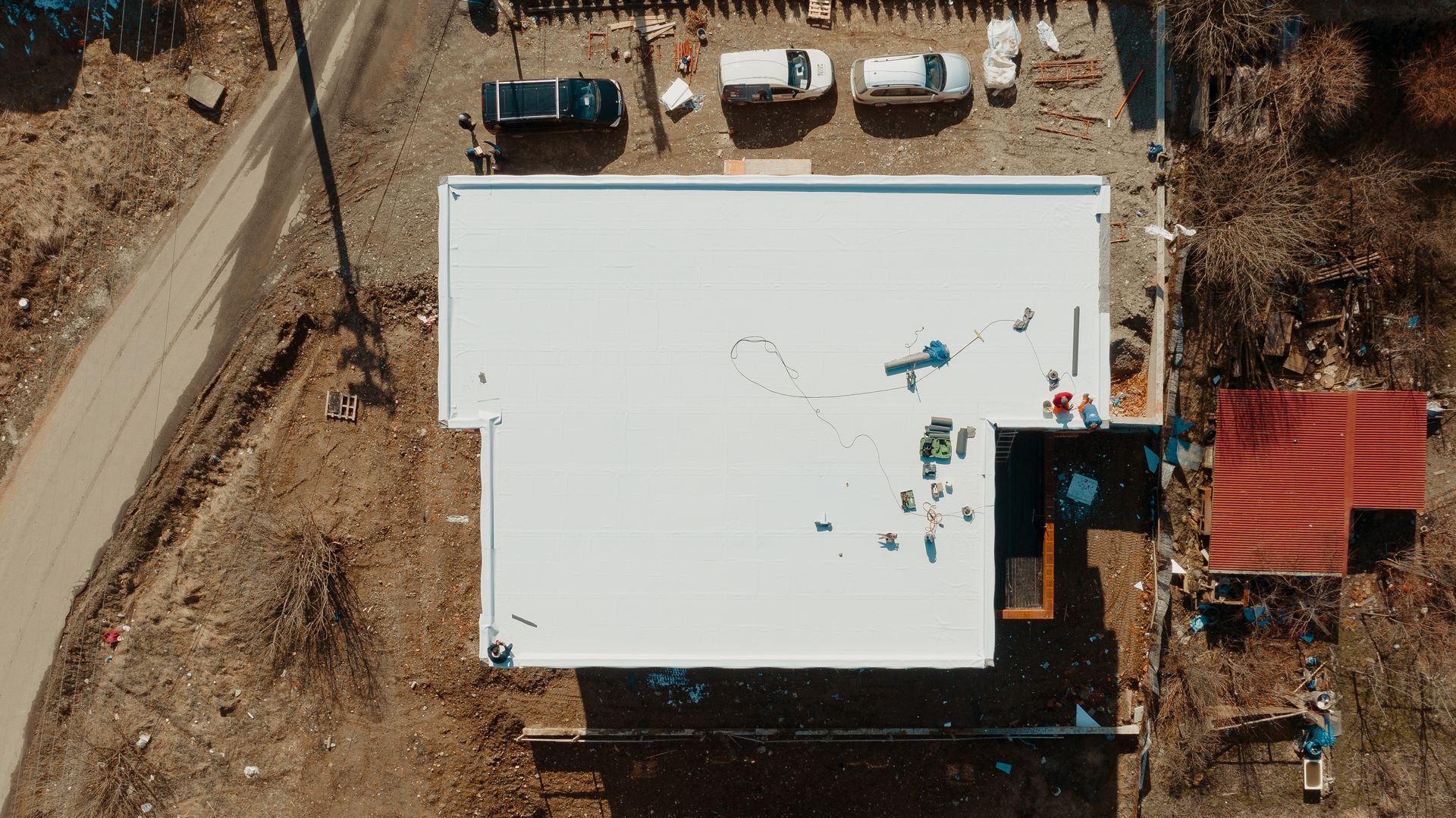
A silicone roof coating is a fluid-applied membrane. Rather than tearing off the old roof, a roofer sprays or rolls a liquid silicone over the existing surface, where it cures into a seamless, waterproof layer bonded to the roof beneath. It is a restoration, not a replacement, designed to extend the life of a roof that still has good bones.
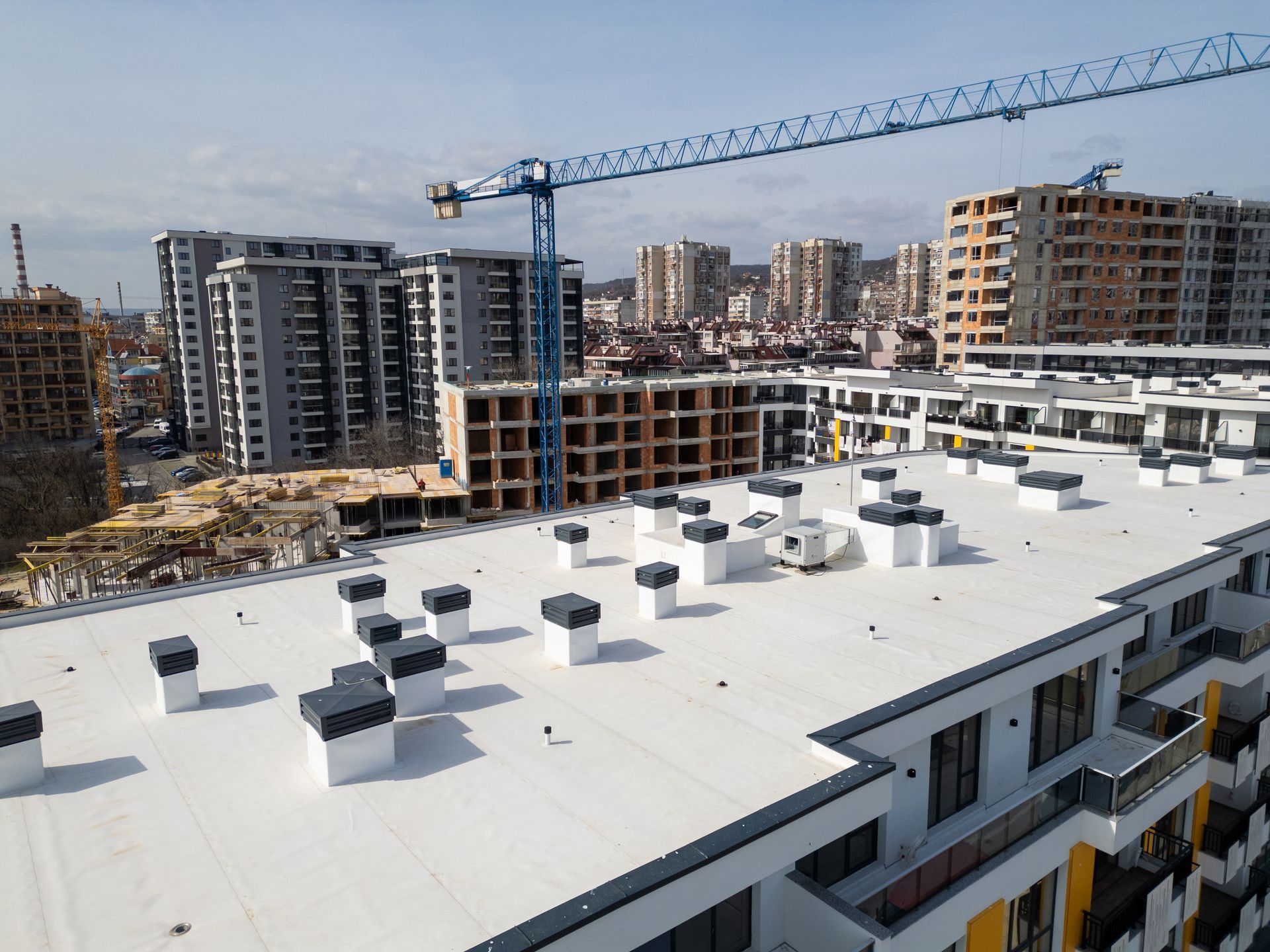
Silicone is especially well suited to flat commercial roofs because of how it handles standing water. Unlike some coatings that break down where water pools, silicone resists ponding water, which is one of the most common causes of failure on a flat roof. It goes over most existing systems, including aging TPO, EPDM, metal, modified bitumen, and built-up roofs, as long as the surface is sound.
The Benefits of Silicone Coating
When a roof is a good candidate, the advantages of coating over replacing are substantial. This is why coatings have become a standard tool for extending the life of commercial roofs.
- Lower cost than replacement, often a fraction of the per-square-foot price of a full tear-off and reroof.
- Seals leaks and existing seams, creating one continuous surface with no seams or fasteners for water to find.
- Handles ponding water, since silicone holds up where standing water would degrade other materials.
- Reflects heat, as a bright white coating lowers rooftop temperatures and can reduce summer cooling costs.
- Less disruption and waste, because there is no tear-off, no dumpsters full of old roofing, and minimal interruption to the business below.
There is also a practical financial angle. Because a coating restores rather than replaces, it can often be treated differently from a capital replacement for budgeting purposes, and many coating systems come with their own manufacturer warranty. For a building owner trying to extend a roof a decade without a major capital outlay, those benefits add up quickly. The reduced disruption is worth emphasizing for occupied buildings, since a coating can often be applied while the business below keeps operating normally, with no tear-off noise, debris, or exposed roof deck to work around.
The Downsides and Limits
A coating is a restoration, and it can only restore a roof that is fundamentally sound. Knowing its limits is what separates a smart coating from money wasted on a roof that needed replacing.
The most important limit is what lies beneath the surface. If the insulation under the membrane is wet or saturated, a coating seals that moisture in rather than solving it, and the roof continues to deteriorate out of sight. A coating also cannot fix structural problems, significant membrane damage, or a roof at the very end of its life; it restores a surface, it does not rebuild a system. The existing roof has to be cleaned and prepared properly first, and any repairs made, or the coating will not adhere and perform. Finally, a coating is not permanent, and it will need to be recoated down the road, though that is a minor, low-cost step compared with replacement.
When It's Worth It, and When It Isn't
The value of a silicone coating comes down to the condition of the roof underneath. Running through the common scenarios makes the decision clear.
| Situation | Coating or Replace | Why |
|---|---|---|
| Aging roof, sound structure, dry insulation | Coating is often worth it | Extends life for a fraction of replacement cost |
| Minor leaks and surface wear | Coating is a strong option | Seals the surface before damage spreads |
| Wet or saturated insulation | Replace | A coating traps moisture rather than fixing it |
| Structural damage or end of life | Replace | Restoration cannot rebuild a failed system |
The pattern is simple: a coating is worth it when the roof is aging but still healthy underneath, and it is not worth it when the real problem is below the surface. An inspection that checks for trapped moisture is what tells you which situation you are in, and it is the step we never skip before recommending a coating.
Coating vs. Replacement Cost
The cost difference is the heart of why coatings are so appealing. A silicone coating typically runs in the range of roughly 1.50 to 4 dollars per square foot installed, while a full commercial roof replacement generally falls between 4 and 15 dollars per square foot. On a large roof, that gap represents significant capital.
The key is that the comparison only holds when the roof is a genuine coating candidate. Spending on a coating for a roof with wet insulation is not a saving, it is a delay that adds the coating cost on top of the replacement you will still need. When the roof qualifies, though, a coating buys a decade or more of life at a fraction of the price, which is why it is often the better first move for an aging roof. Our guide to
commercial roof replacement cost lays out the replacement side of that comparison in detail.
How a Silicone Coating Is Applied
Understanding the process helps explain why preparation matters so much and why a coating is only as good as the work underneath it. A proper application is methodical, not just spraying liquid on a roof.
It starts with a thorough inspection, including a check for trapped moisture, to confirm the roof is a candidate. The surface is then cleaned, usually power washed, to remove dirt, debris, and anything that would keep the coating from bonding. Any existing damage, open seams, or failed flashing is repaired first, and seams and penetrations are often reinforced with a fabric or additional material for extra strength. A primer may be applied depending on the existing roof, and then the silicone is sprayed or rolled on to the manufacturer's required thickness, sometimes in more than one coat. Because the finished performance depends entirely on that prep and correct application thickness, this is not a job for shortcuts.
Silicone vs. Other Roof Coatings
Silicone is one of a few coating types, and it is worth knowing why it is often the choice for flat commercial roofs. The main alternatives are acrylic and urethane coatings, and each has a place.
Acrylic coatings are budget-friendly and reflective but tend to break down where water ponds, which is a real limitation on flat roofs that hold water. Urethane coatings are tough and handle foot traffic well, making them a good choice for roofs that see regular access. Silicone's standout strength is its resistance to ponding water and weathering, which is exactly the failure point that matters most on a flat roof, and it holds its waterproofing over time with minimal breakdown. The tradeoff is that silicone can hold dirt and become slippery when wet, and it requires its own products for any future recoat. For a flat commercial roof in a climate with real weather, silicone's ponding resistance is usually the deciding advantage.
Silicone Coating and Connecticut Weather
Our climate is hard on flat roofs, which makes the right restoration choice especially important here. Connecticut roofs deal with heavy rain, snow, and repeated freeze-thaw cycles, and the meltwater from snow often pools on a flat roof before it drains.
That ponding is precisely where many coatings and aging membranes fail, and it is where silicone's resistance to standing water pays off. A seamless silicone surface also removes the seams and fasteners that freeze-thaw works loose over a Connecticut winter. None of this replaces good drainage, and a roof with chronic ponding may need tapered insulation or drain work as part of the solution, but for an aging flat roof that still drains reasonably, a silicone coating is well matched to what our weather throws at it. It is also a restoration that can be scheduled in the milder months and then relied on through the following winter, which makes it a practical way to get an aging Connecticut roof through several more cold seasons without a disruptive tear-off.
Find Out If a Coating Is Right for Your Roof
A silicone coating can be one of the best values in commercial roofing, but only for the right roof. As Connecticut's commercial roofing specialists, we inspect the roof, check for hidden moisture, and give you a straight recommendation on whether coating or replacement is the better investment for your building.
Call International Roofing LLC at (860) 505-8506 or
contact us for an assessment. Learn more about our
commercial roof re-coating
services across Connecticut and Hartford County.
Frequently Asked Questions
How long does a silicone roof coating last?
A properly applied silicone coating on a sound roof typically adds around 10 to 15 years of life, and many coating systems carry a manufacturer warranty in that range. Reaching the high end depends on proper surface preparation, the condition of the roof underneath, and eventually recoating, which is a minor step compared with a full replacement.
Can you put a silicone coating over any roof?
Silicone adheres to most common commercial systems, including aging TPO, EPDM, metal, modified bitumen, and built-up roofs, but only when the surface is clean, sound, and dry underneath. It is not suitable for a roof with wet insulation, significant structural damage, or one at the end of its life. An inspection for trapped moisture determines whether a roof is a candidate.
Does a silicone roof coating stop leaks?
Yes, when applied correctly to a sound roof, a silicone coating seals existing leaks and seams by forming one continuous, waterproof surface with no seams or fasteners. It is particularly effective against ponding water. It cannot, however, stop a leak caused by wet insulation or structural failure beneath the membrane, which requires replacement.
Is a roof coating cheaper than a new roof?
Considerably. A silicone coating generally costs in the range of 1.50 to 4 dollars per square foot, versus 4 to 15 dollars for a full replacement. That savings is real only when the roof genuinely qualifies for a coating. Coating a roof that actually needs replacement simply adds cost before the inevitable, so the value depends on the roof's true condition.
Will a silicone coating lower my energy bills?
It can. A bright white silicone coating is highly reflective, so it lowers the roof's surface temperature and reduces the cooling load on the building during hot months. The savings vary with the building, its insulation, and its use, but improved reflectivity is one of the recognized benefits of coating a commercial roof, alongside the waterproofing and extended lifespan.
Recent Posts