How Much Does a Commercial Roof Inspection Cost? (2026 Guide)
July 26, 2026

A commercial roof inspection typically costs somewhere in the low hundreds to around a thousand dollars for most buildings, with basic visual inspections at the lower end and detailed inspections using infrared or moisture scanning at the higher end. The biggest factors are the size of the roof, its complexity, the type of inspection, and accessibility. Many roofing contractors also offer free or low-cost visual inspections, especially when tied to maintenance or a suspected problem. Every number here is a ballpark, since your actual cost depends on your specific building.
At International Roofing LLC, we inspect, maintain, and replace commercial roofing systems across Connecticut, working with TPO, PVC, EPDM, modified bitumen, built-up, and metal roofs every week. Because we perform these inspections regularly on all kinds of commercial buildings, the ranges and factors below reflect how pricing actually works in our market, offered to set expectations rather than serve as a firm quote.
Start with the short answer, then see what drives the cost and what you get for it.
In This Guide
- The short answer on cost: Typical ranges at a glance.
- What affects the cost: The variables that move the price.
- Types of commercial roof inspections: Visual, infrared, and more.
- Inspection types at a glance: Type, detection, and cost.
- What an inspection includes: What you are paying for.
- When free inspections make sense: And when to pay for more.
- Why inspections are worth the cost: Protecting a major asset.
- Frequently asked questions: Quick answers to common questions.
The Short Answer on Cost
Commercial roof inspection pricing covers a wide range because inspections vary so much in scope. Still, most building owners want a starting number to plan around, so here is a realistic range before we get into the details.
Typical Ballpark Ranges
As a rough guide for a commercial building in our area, expect approximate figures like these:
- Basic visual inspection: often free to a few hundred dollars.
- Standard detailed inspection: typically in the low-to-mid hundreds.
- Infrared or moisture-scan inspection: commonly several hundred to around a thousand dollars or more.
These are ballparks, not quotes. A small, simple flat roof and a large, complex roof with rooftop equipment can differ substantially for the same type of inspection.
Why the Range Is So Wide
The spread comes down to scope and building. A quick walk-and-look on a small roof is a very different job than a full moisture survey on a large industrial building with acres of membrane.
Roof size, the type of inspection, and how easy the roof is to access all move the number. The rest of this guide breaks those factors down so the ranges make sense for your property.
It also helps to separate two situations: a routine check on a roof you already own and maintain, versus a deep investigation tied to a leak, a purchase, or a replacement decision. The first is usually inexpensive or free, while the second justifies paying for more thorough methods.
What Affects the Cost
Understanding the variables helps explain why two quotes can differ and where your cost will likely land. A few factors do most of the work.
Roof Size and Complexity
The single biggest factor is the size of the roof, usually measured in square feet. A larger roof takes more time to inspect thoroughly and covers more area where problems can hide, which raises the cost.
Complexity matters just as much as size. A roof crowded with HVAC units, skylights, penetrations, and multiple levels takes longer to inspect than a simple, open flat roof of the same size.
The roofing system itself also plays a role. A single-ply membrane like TPO or EPDM is quicker to assess than a built-up or modified bitumen roof with multiple layers, and each system has its own common failure points an inspector needs to check.
Type of Inspection
The method drives a large part of the price. A basic visual inspection is the most affordable, while advanced techniques cost more because they require specialized equipment, training, and time to interpret the results.
- Visual inspection: the most common and affordable option.
- Infrared inspection: detects trapped moisture under the membrane.
- Moisture surveys: map wet insulation across the roof.
- Drone inspection: useful for very large or hard-to-access roofs.
Accessibility and Location
How easy the roof is to reach affects the labor involved. A roof with simple interior access through a hatch is quicker to inspect than one requiring special equipment to reach safely.
Height, the surrounding site, and safety requirements all factor in. A difficult or hazardous roof takes more time and precaution, which is reflected in the cost.
Safety compliance is not optional on commercial roofs, so an inspector may need fall protection, lifts, or additional crew to reach certain areas. Those requirements protect everyone involved but do add to the time and cost of a thorough inspection.
Types of Commercial Roof Inspections
Not all inspections are the same, and knowing the difference helps you choose the right one for your situation and budget.
Visual Inspections
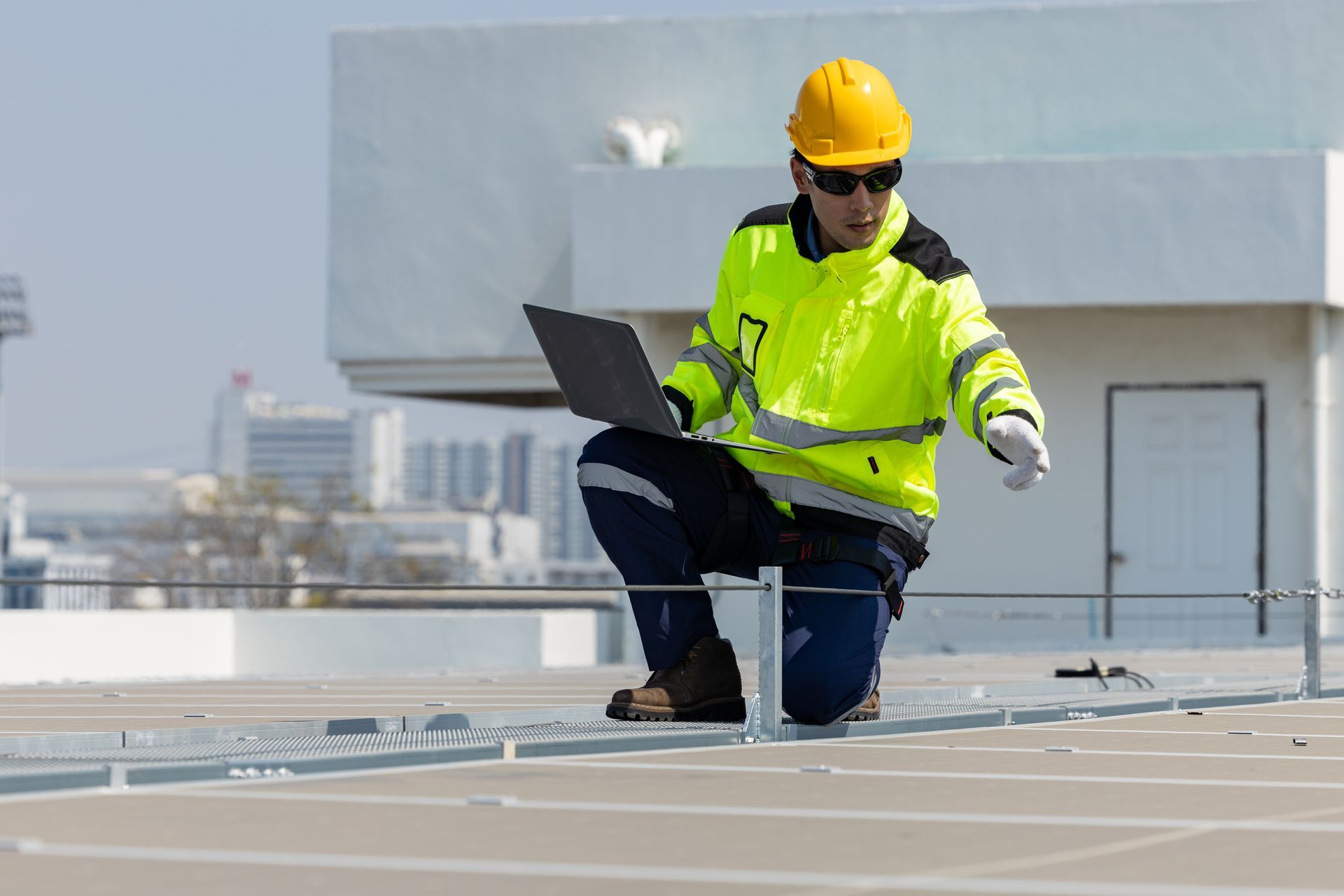
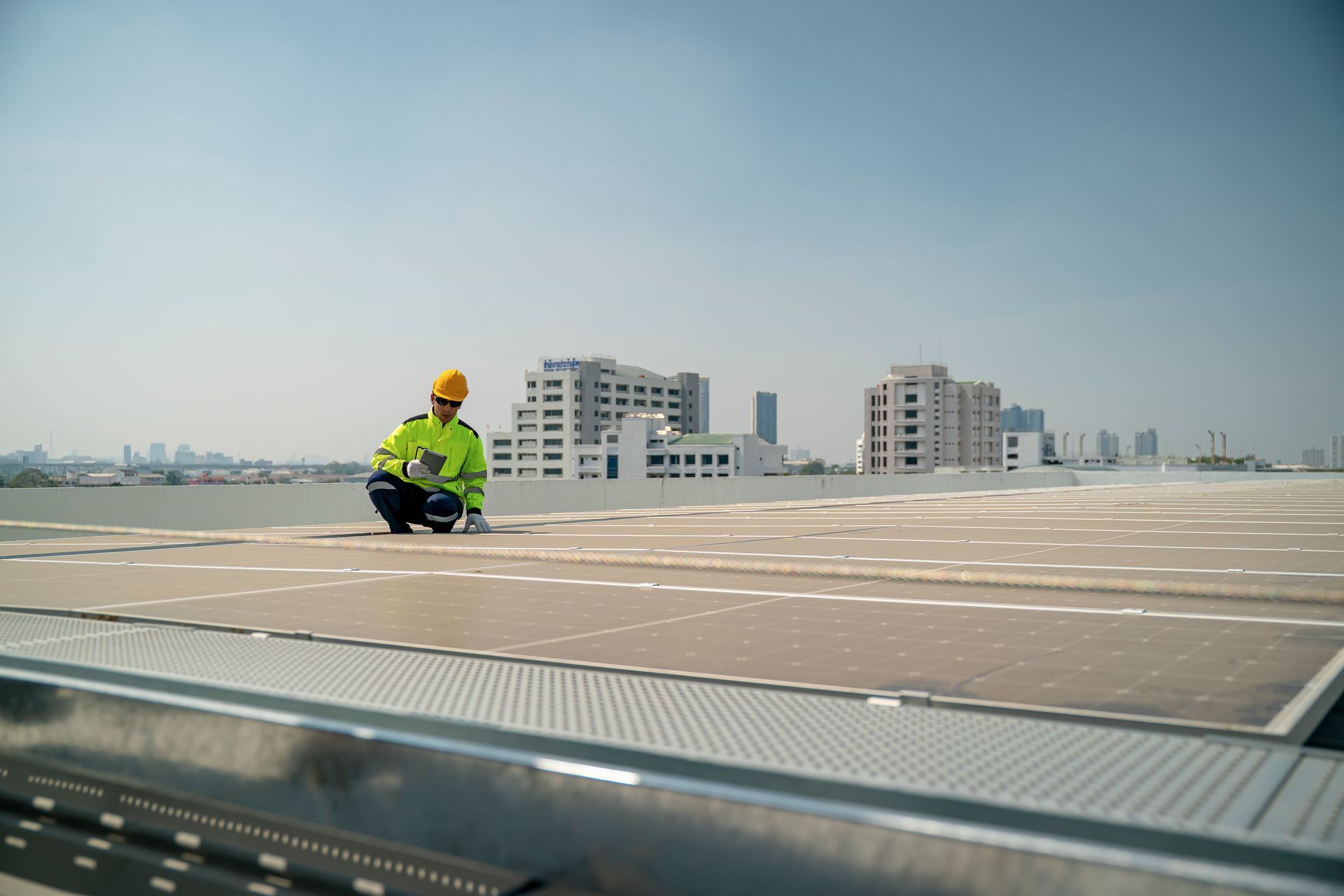
A visual inspection is a trained professional physically examining the roof surface, flashings, drains, and penetrations for visible signs of damage or wear. It is the most common and affordable type.
This is often enough for routine checks and catching obvious issues. Many contractors offer these free or at low cost, particularly as part of maintenance or when you suspect a problem.
The value of a visual inspection depends heavily on the inspector's experience. A seasoned commercial roofer knows the specific weak points of each membrane type and can spot early warning signs that an untrained eye would walk right past, which is why who performs the inspection matters as much as the method.
Infrared and Moisture Inspections
Infrared inspections use thermal imaging to find moisture trapped beneath the roof membrane that is invisible from the surface. Moisture surveys map where insulation is wet across the roof, so repairs can target only the affected areas rather than the whole roof.
These detailed inspections cost more but are valuable for older roofs, leak investigations, or before a major decision like recoating or replacement. They reveal hidden problems that a visual check can miss.
Inspection Types at a Glance
This table compares the common inspection types by what they detect and their rough cost.
| Inspection Type | What It Detects | Relative Cost |
|---|---|---|
| Visual | Surface damage, seams, drains | Free to low |
| Infrared / thermal | Trapped moisture under membrane | Mid to high |
| Moisture survey | Wet insulation across the roof | Mid to high |
| Drone | Access issues on large roofs | Varies |
Most routine needs are covered by a visual inspection, with infrared and moisture surveys reserved for older roofs, leak hunts, and major decisions where hidden data matters.
What an Inspection Includes
Knowing what a proper inspection covers helps you judge whether a quote reflects real value or just a quick look.
The Core Checks
A thorough commercial roof inspection examines the whole system, not just the surface. A good inspector documents findings with photos and provides a written report you can actually use.
- The membrane or surface for punctures, splits, blistering, and wear.
- Seams and flashings where leaks most often begin.
- Drains, gutters, and scuppers for blockages and proper drainage.
- Penetrations around vents, HVAC units, and pipes.
- Signs of ponding water that can shorten a roof's life and add weight.
On a flat commercial roof, drainage and ponding deserve special attention, since standing water accelerates membrane breakdown and adds weight. An inspector notes low spots and drainage problems that a pitched-roof inspection would never need to consider.
The Written Report
The deliverable that makes an inspection worthwhile is the report. It should document the roof's condition, note problem areas with photos, and recommend repairs or next steps.
A clear report lets you plan and budget, supports warranty and insurance needs, and gives you a baseline to track the roof's condition over time. Without it, an inspection is just a look.
When comparing inspection quotes, ask what the report includes. A one-line summary is very different from a detailed report with photos, condition ratings, and prioritized recommendations, and that difference often explains a price gap between two inspections that sound the same on paper.
When Free Inspections Make Sense
Free inspections are common in commercial roofing, and they have their place, but it helps to know when they are enough and when to invest in more.
When Free or Low-Cost Works
A free or low-cost visual inspection is often perfectly adequate for routine situations. It suits regular check-ins, a quick assessment of an obvious issue, or a general sense of the roof's condition.
Many contractors, including us, offer these because catching problems early benefits everyone. For a lot of routine needs, a professional visual inspection covers it.
One caveat worth knowing: a free inspection is often tied to a contractor hoping to earn repair or maintenance work. That is not a problem in itself, but it is worth getting the findings documented and, for major work, seeking a second opinion so the recommendation matches the roof's actual condition.
When to Pay for a Detailed Inspection
Paying for a detailed inspection makes sense when the stakes are higher. Before buying a building, investigating a persistent leak, or deciding on recoating versus replacement, the deeper data is worth the cost.
Infrared and moisture surveys find hidden wet insulation and subsurface problems that change major decisions. In those cases, the inspection cost is small next to the decision it informs. Our commercial roof maintenance program often bundles the right level of inspection into a regular schedule.
Due diligence before a property purchase is a classic example. Spending a few hundred dollars on a detailed inspection can reveal tens of thousands in hidden roof problems before you buy, which is exactly the kind of decision where the deeper inspection pays for itself many times over.
Why Inspections Are Worth the Cost
A commercial roof is one of a building's largest and most important assets, and inspections protect that investment for a relatively small cost. The math almost always favors inspecting.
Catching Problems Early
The main value of an inspection is finding small problems before they become big ones. A minor seam issue caught early is a cheap repair, while the same issue ignored can lead to interior damage and a costly emergency.
Regular inspections extend the life of the roof and prevent the surprises that disrupt a business. The cost of inspecting is minor next to the cost of a failed roof or an interior flood.
For a commercial building, a roof failure is rarely just a roof problem. It can mean damaged inventory, disrupted operations, and unhappy tenants, so the small, predictable cost of routine inspection buys protection against much larger and less predictable losses.
Supporting Warranties and Planning
Many commercial roof warranties require regular inspections and maintenance to stay valid. Skipping them can void coverage, turning a warranty claim into an out-of-pocket expense.
Inspections also let you budget and plan proactively rather than react to emergencies. If an inspection reveals the roof is near the end of its life, our commercial roof repair and replacement teams can help you weigh the options before a failure forces the decision.
Documented inspections also support insurance claims. If a storm damages the roof, a recent inspection report establishes the roof's prior condition, which can make the difference between an approved claim and a denied one. That paper trail is part of the quiet value an inspection provides.
Planning Your Commercial Roof Inspection
A commercial roof inspection usually costs from free for a basic visual check up to around a thousand dollars or more for detailed infrared or moisture work, driven mostly by roof size, complexity, inspection type, and access. For routine needs a visual inspection often suffices, while major decisions justify a deeper look.
At International Roofing CT, we inspect commercial roofing systems across Connecticut and give building owners clear, documented findings they can act on. When you are ready,
reach out to our team or learn more about our
commercial roofing services. We will recommend the right level of inspection for your building and goals.
Frequently Asked Questions
How much does a commercial roof inspection cost?
Most commercial roof inspections range from free for a basic visual check to around a thousand dollars or more for detailed infrared or moisture surveys. Roof size, complexity, inspection type, and accessibility are the main factors, so your actual cost depends on your building.
Are free commercial roof inspections worth it?
Yes, for routine needs. A free or low-cost visual inspection by a qualified contractor is often adequate for regular check-ins and catching obvious issues. For higher-stakes decisions like a purchase or a persistent leak, a paid detailed inspection is usually worth the added cost.
What is the difference between a visual and an infrared inspection?
A visual inspection examines the roof surface, seams, and drains for visible damage, while an infrared inspection uses thermal imaging to find moisture trapped beneath the membrane. Infrared reveals hidden problems a visual check cannot see, which is why it costs more.
How often should a commercial roof be inspected?
Most commercial roofs should be inspected at least twice a year, typically in spring and fall, plus after major storms. Regular inspections catch problems early and are often required to keep a roof warranty valid.
What does a commercial roof inspection include?
A thorough inspection covers the membrane or surface, seams and flashings, drains and scuppers, and penetrations, then documents everything in a written report with photos. The report, with its findings and recommendations, is what makes the inspection valuable for planning and warranty needs.
Recent Posts